Best Seasons for Powerwashing
Powerwashing is most effective when performed during specific times of the year, depending on climate and surface conditions. Optimal weather conditions typically include moderate temperatures, low humidity, and dry days, which help ensure thorough cleaning and proper drying of surfaces.
Spring is a popular time for powerwashing due to increased buildup of dirt, mold, and algae during winter months. Cleaning in spring prepares surfaces for the warmer months ahead.
Summer offers longer, drier days ideal for powerwashing. It is suitable for maintaining decks, patios, and exterior surfaces exposed to summer elements.
Fall cleaning helps remove leaves, moss, and grime accumulated during the season. It also prepares surfaces for winter.
Winter powerwashing is less common but can be effective during mild weather to remove salt, grime, and prevent ice buildup.
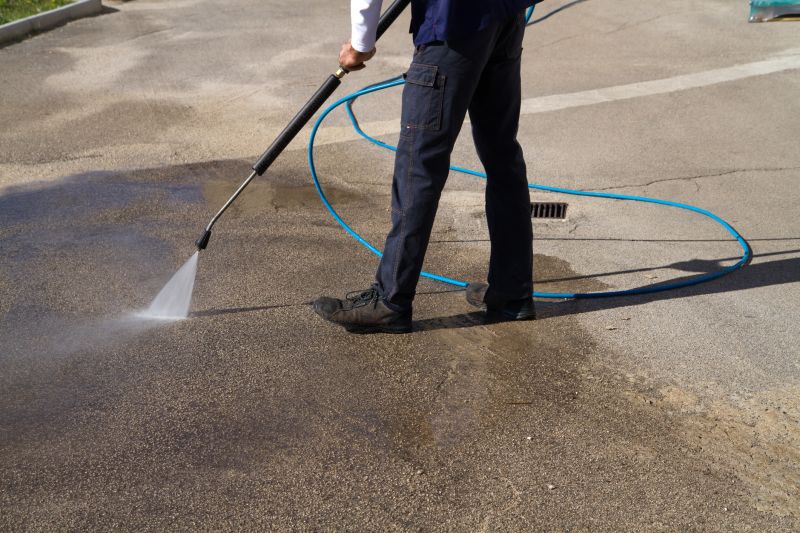
Ways to make Powerwashings work in tight or awkward layouts.
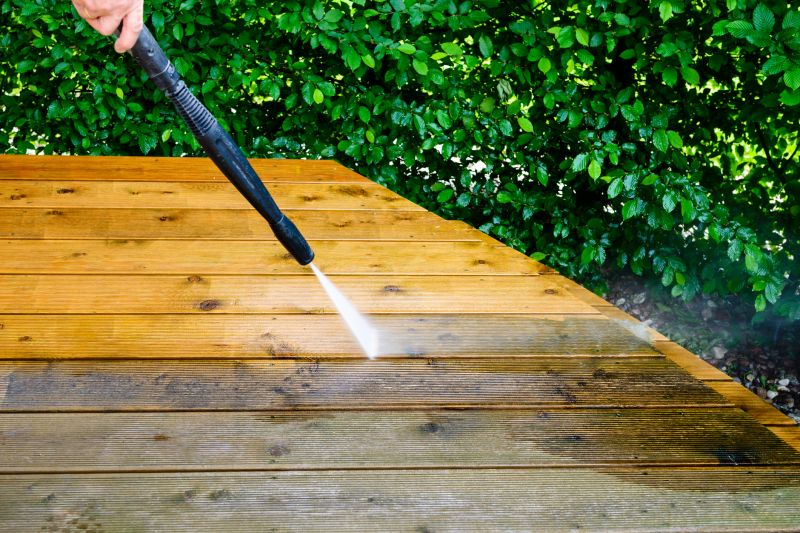
Popular materials for Powerwashings and why they hold up over time.
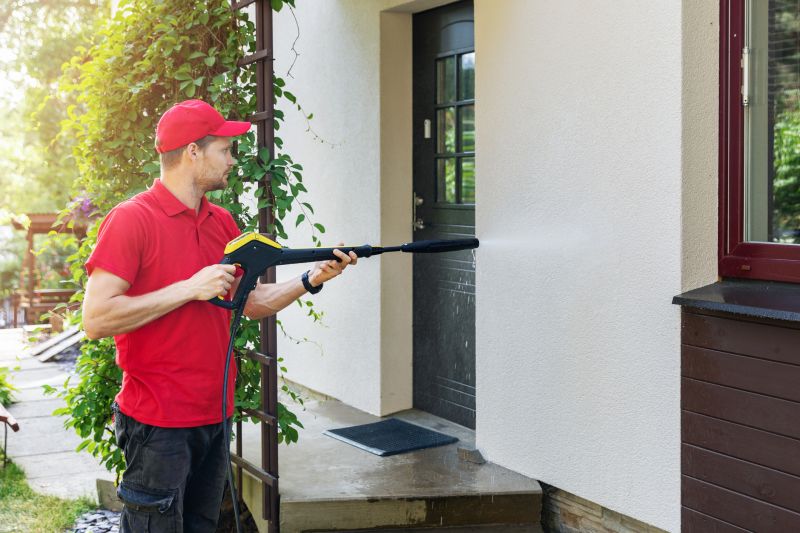
Simple add-ons that improve Powerwashings without blowing the budget.
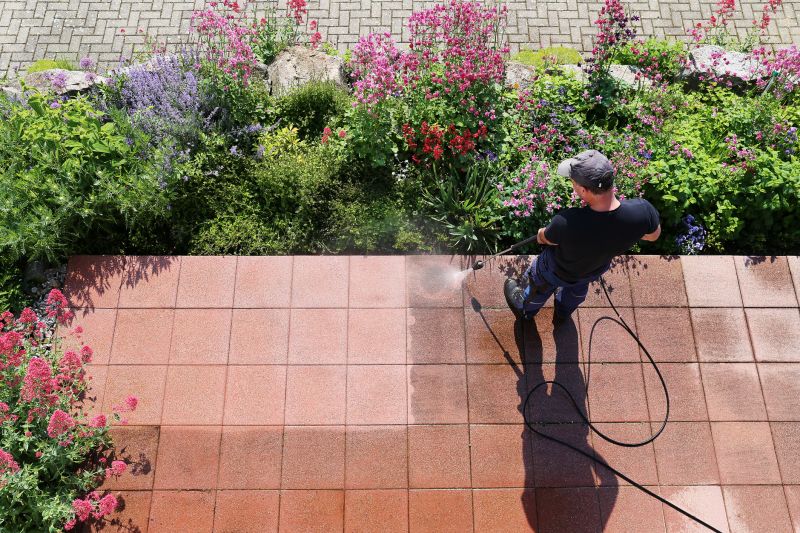
High-end options that actually feel worth it for Powerwashings.
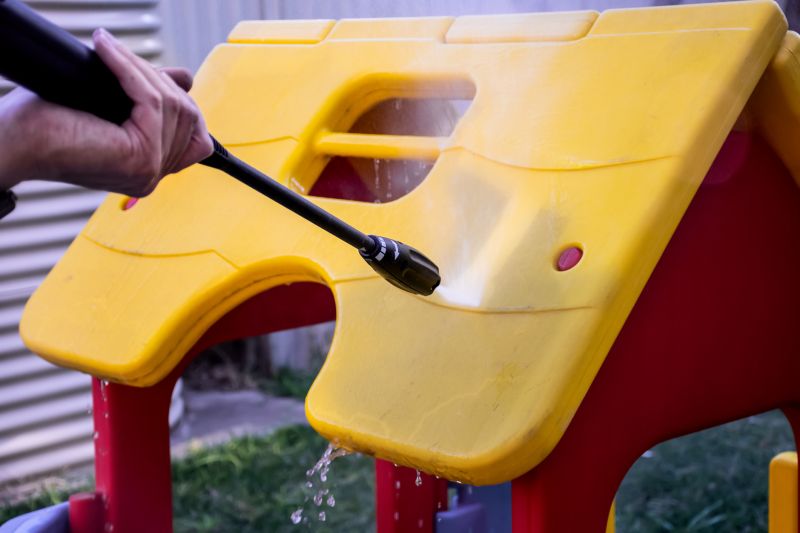
Finishes and colors that play nicely with Powerwashings.
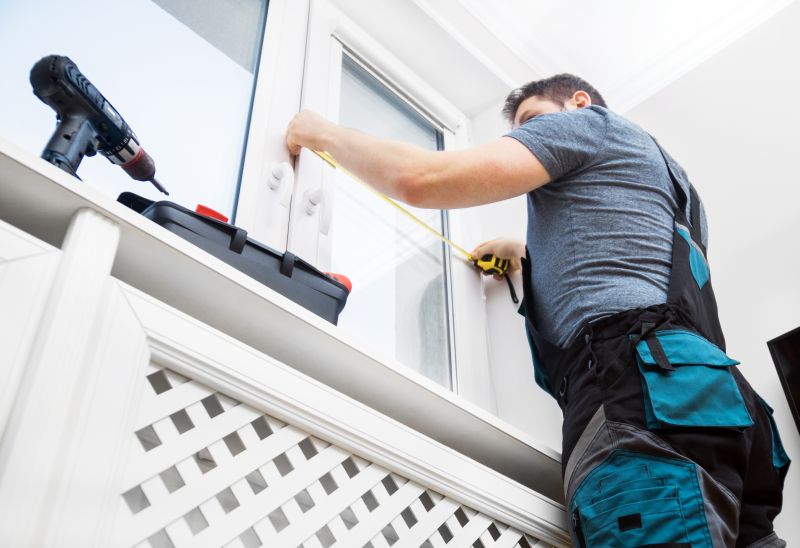
Little measurements that prevent headaches on Powerwashings day.
| Season | Ideal Conditions |
|---|---|
| Spring | Moderate temperatures, low humidity, dry days |
| Summer | Warm, dry weather with long daylight hours |
| Fall | Cooler temperatures, dry conditions, leaf removal |
| Winter | Mild days, above freezing temperatures |
Powerwashing utilizes high-pressure water to remove dirt, grime, mold, and other residues from surfaces. It is an efficient method for maintaining the appearance and longevity of buildings, decks, driveways, and siding. Proper timing ensures optimal results and surface preservation. Statistics indicate that regular powerwashing can extend the lifespan of exterior surfaces by preventing deterioration caused by mold, algae, and dirt buildup.
Choosing the right time for powerwashing depends on weather conditions, surface material, and the type of dirt or grime to be removed. Performing powerwashing during suitable weather minimizes the risk of water damage, mold growth, and surface staining. It is recommended to avoid powerwashing during rainy or freezing conditions to ensure safety and effectiveness.
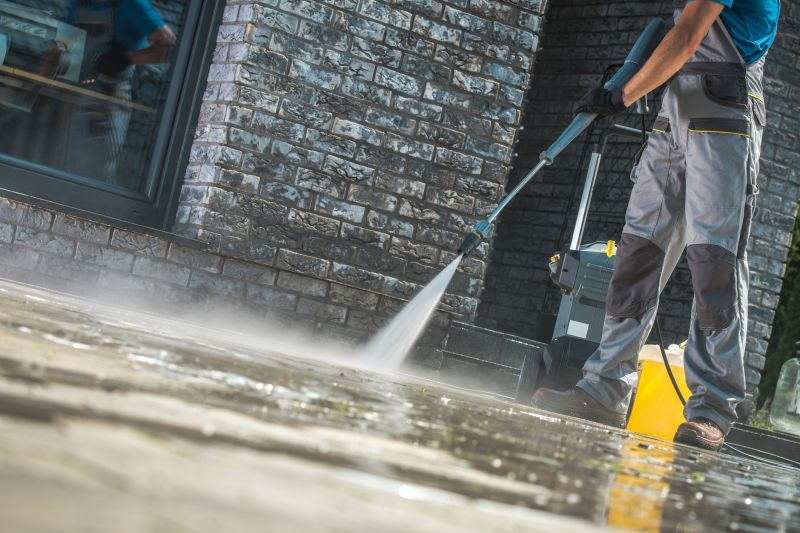
A 60-second routine that keeps Powerwashings looking new.
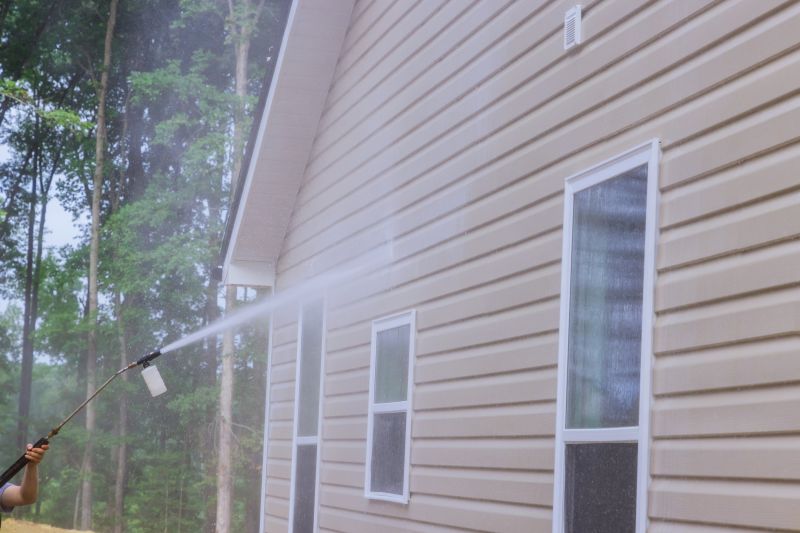
A frequent mistake in Powerwashings and how to dodge it.
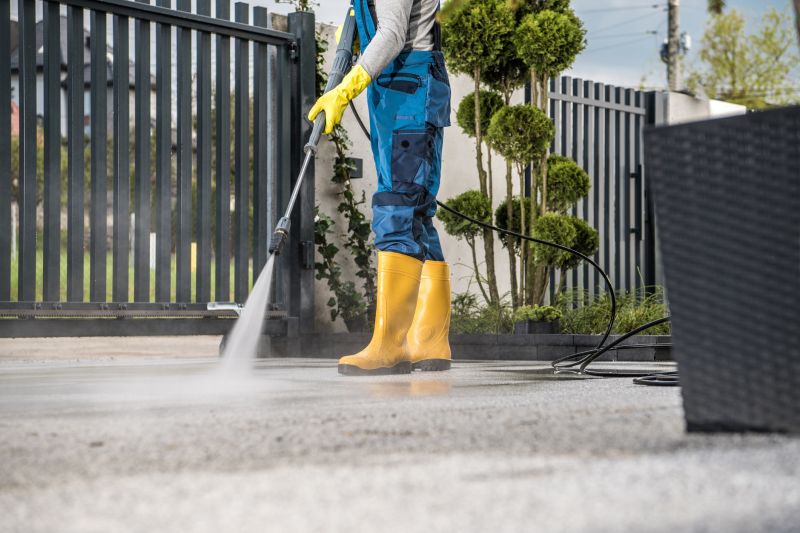
Small tweaks to make Powerwashings safer and easier to use.
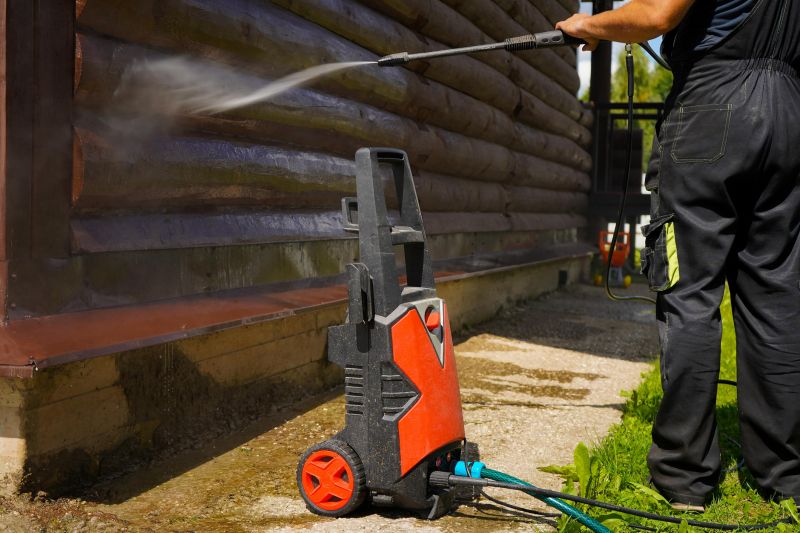
Lower-waste or water-saving choices for Powerwashings.
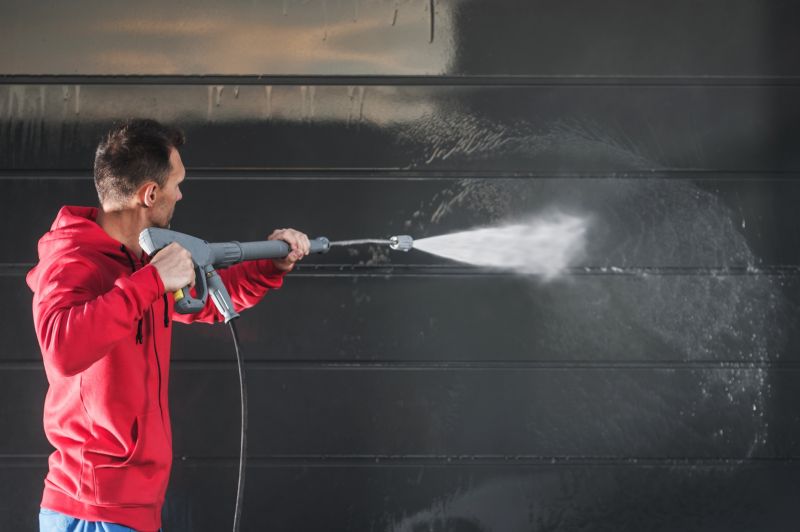
The short, realistic tool list for quality Powerwashings.
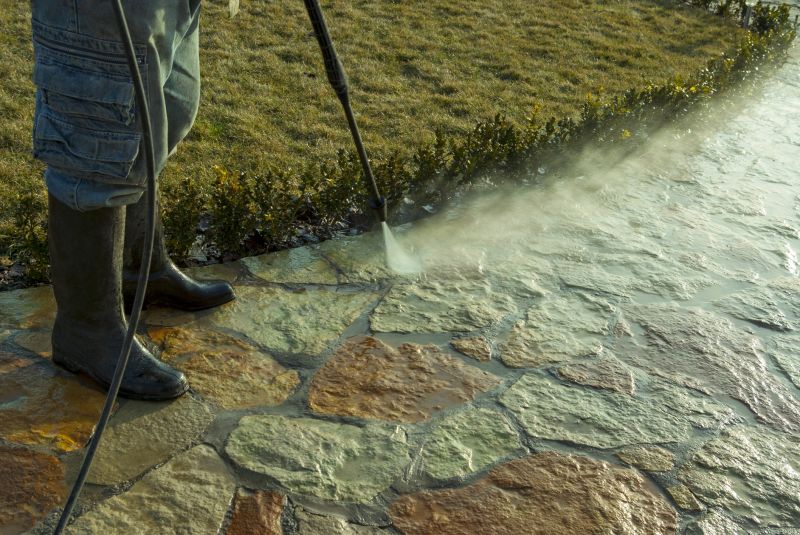
Rough timing from prep to clean-up for Powerwashings.
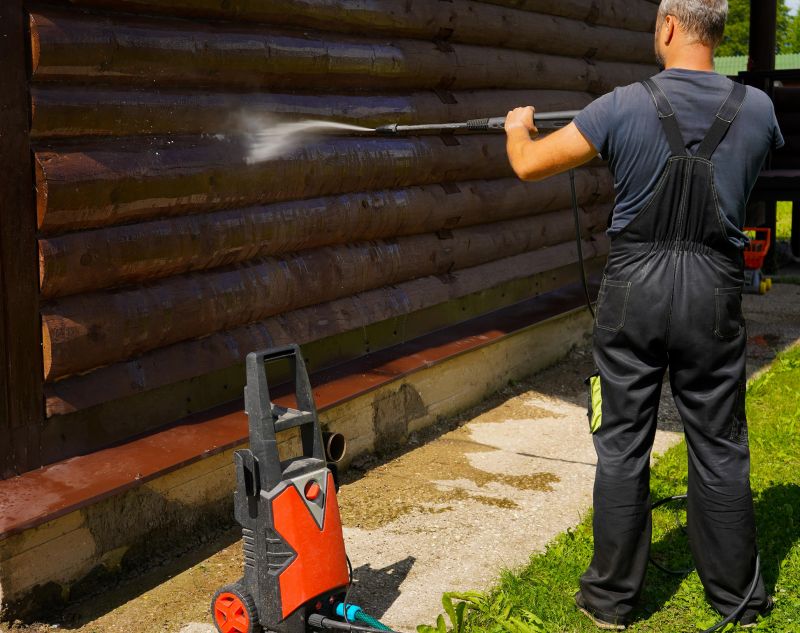
Quick checks and paperwork to keep after Powerwashings.
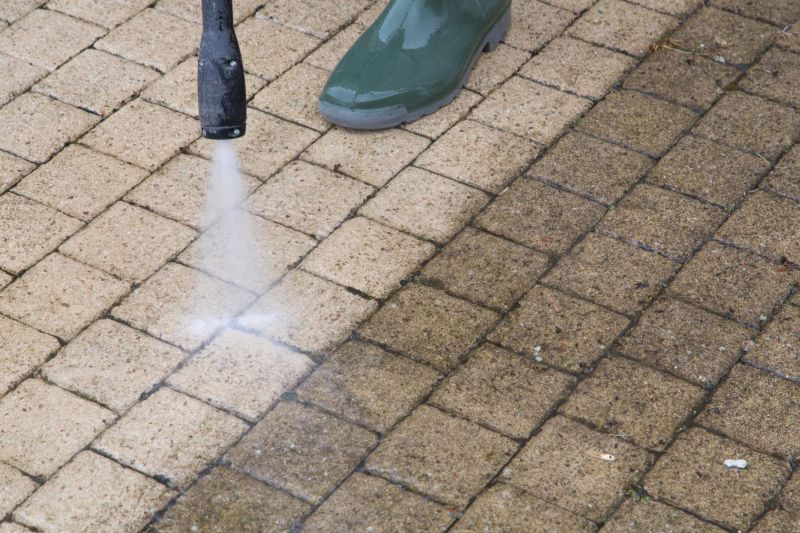
Examples that show the impact a good Powerwashings can make.
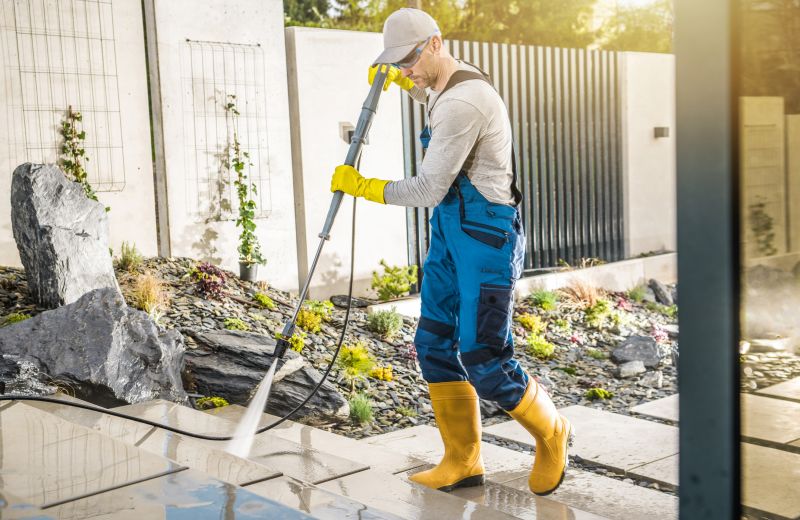
Ways to make Powerwashings work in tight or awkward layouts.
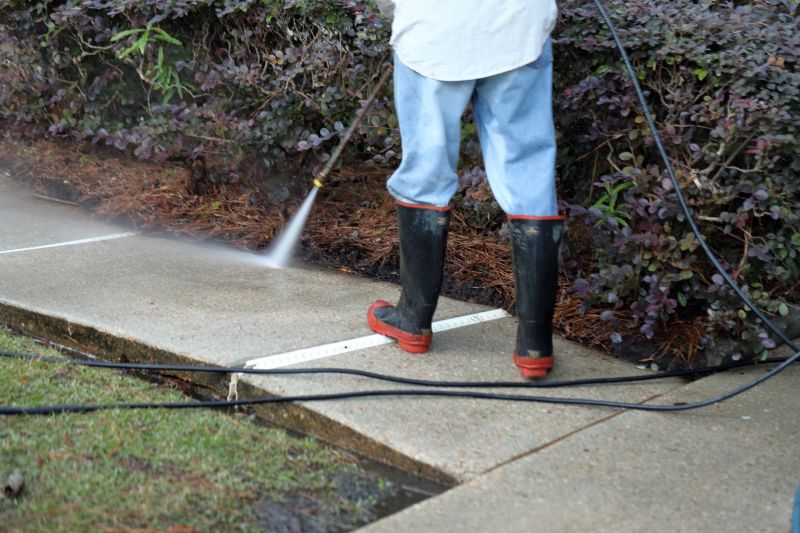
Ways to make Powerwashings work in tight or awkward layouts.
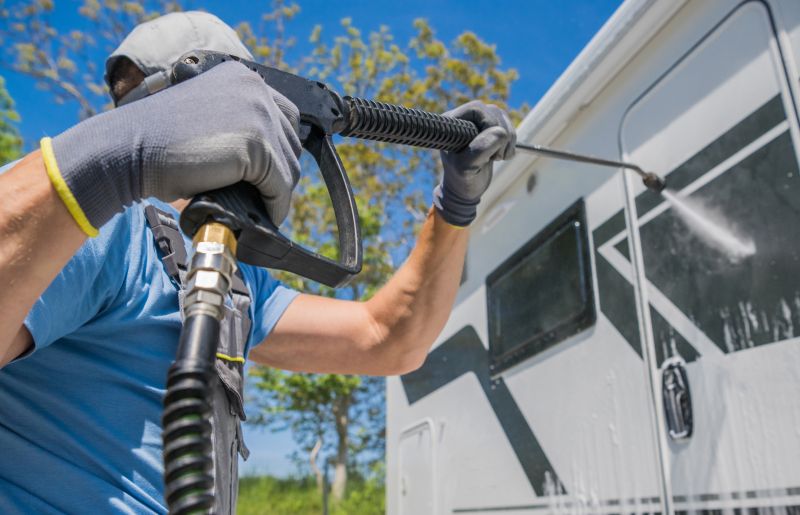
Ways to make Powerwashings work in tight or awkward layouts.
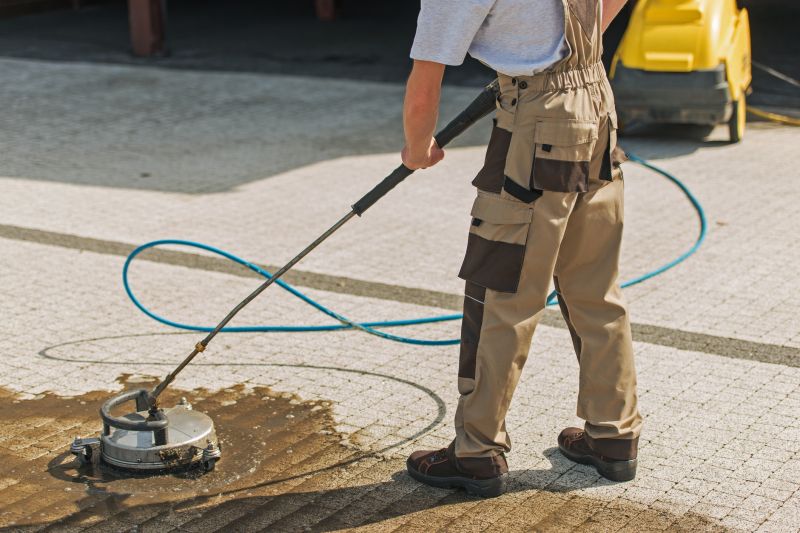
Ways to make Powerwashings work in tight or awkward layouts.
Interested in scheduling a powerwashing service? Filling out the contact form provides an opportunity to discuss timing and surface-specific recommendations to achieve the best results.